
The late slot is a business again
4 min read · By Aston Kennedy
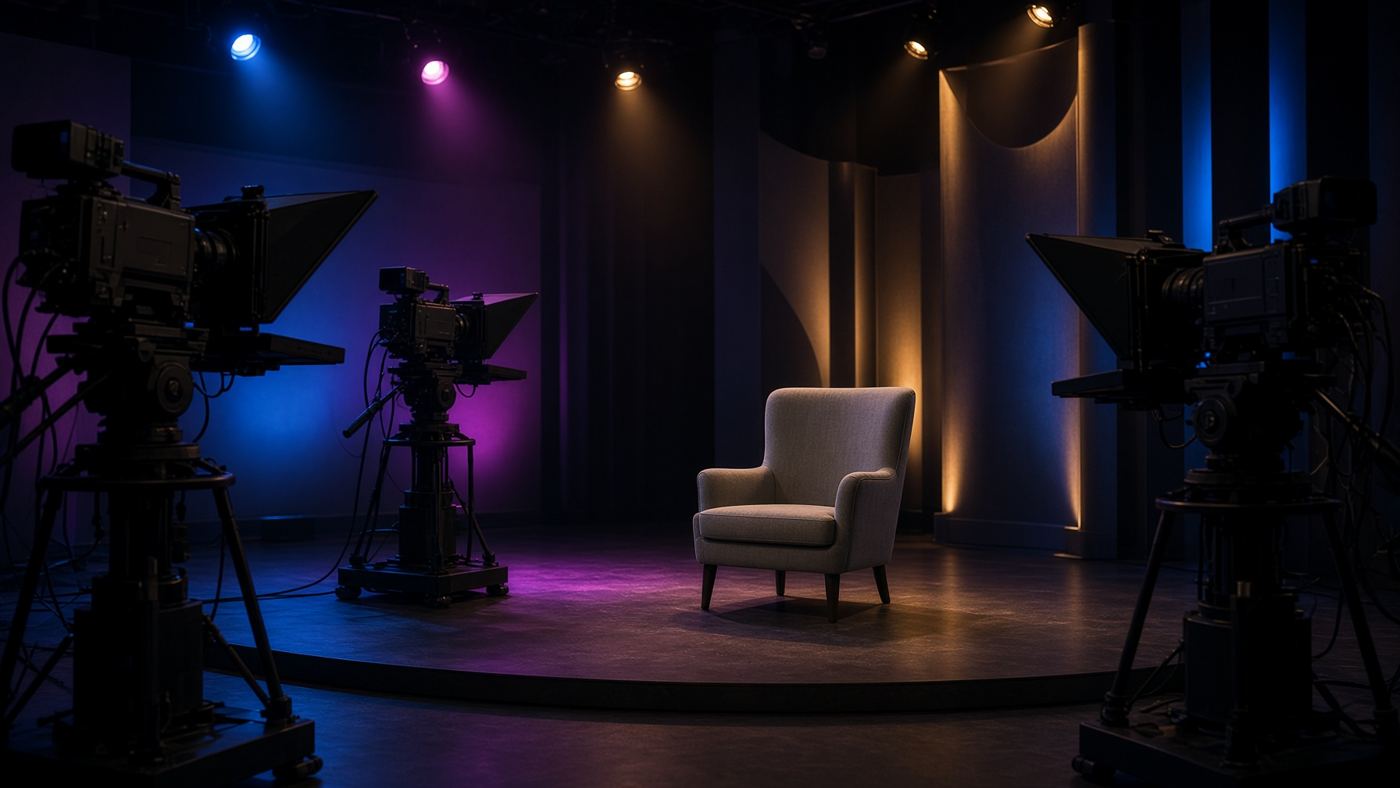
Networks are treating the 11.30 chair as inventory, not a personality cult. The booking book is the product.
The late-night chair was once a cult of personality. A host built a following, and the network paid for loyalty. Now the schedulers talk about the slot differently. It is a block of airtime with a known audience size, a known advertiser appetite and a cost per hour that can be compared with other programming. The host remains important, but the spreadsheet is louder than before.
Guests are the raw material. A strong booking book fills the show with material that clips well the next morning, and clips are where the audience now lives. Bookers therefore work like talent scouts with a deadline. They weigh a star's willingness to tell a story against the release calendar, and they quietly trade favours with the publicists who control access.
Treating the slot as inventory does carry a cost. A show that feels assembled from parts can lose the warmth that made viewers stay awake in the first place. The programmes that hold up best keep a recognisable voice at the centre and let the commercial machinery work in the background. Viewers can tell the difference, even if they could not explain it.